
THE WORLD IS NOT MY HOME
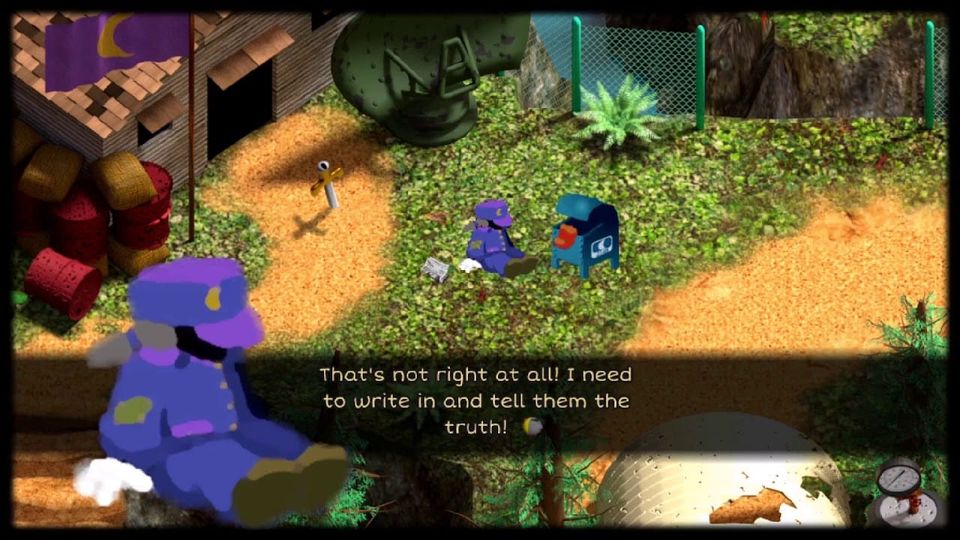
As someone who has moved around a lot, across different states and even countries, I long for the stability of home, a house to call my own. Political and economic situations have dashed my dreams, or, at least, altered them. As housing costs rise, and wages fail to catch up, I’ve packed up all my things and moved when landlords priced me out. Other times, I’ve had to flee due to violence, both personal and political. Anywhere I’ve laid my head has been home, and throughout this journey we call life, I’ve crashed on couches, rented rooms from strangers, and relied on the kindness of others.
One positive of all these forceful exiles and move-ins: I’ve made plenty of friends, people I can proudly call members of my chosen family, a community that has supported me through thick and thin. Home is not a place: it’s other people.
In Happy Shabby Games’ 24 Killers, Home is a living being — the playable character in fact. Home is a soul, an Echo, that possesses the cadaver of a soldier, beckoned by a tentacled administrator, Moon, to harness the vibes of the weird island for the betterment of not just the community that resides within, but of the world at large and even the multiverse.
Despite its life-sim trappings, the game manages to stand out through its idiosyncratic aesthetics and weird-o characters. It is with such an overwhelming sense of style—mixed-media pastiches of pixels, clay and colorful paint—with which 24 Killers explores the concepts of home and community. Such themes are explored with complexity, without ignoring the actual conflicts that arise within real-world communities.
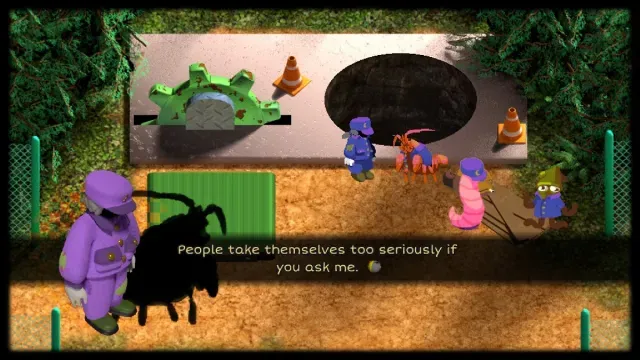
No matter how noble your aims, building community means you will encounter many selfish people. Even if you are working to improve the world, in whatever way you see fit, you will be doing so alongside charlatans, opportunists, and assholes. And they all still deserve to see the better world you’re creating, regardless of your dislike for them.
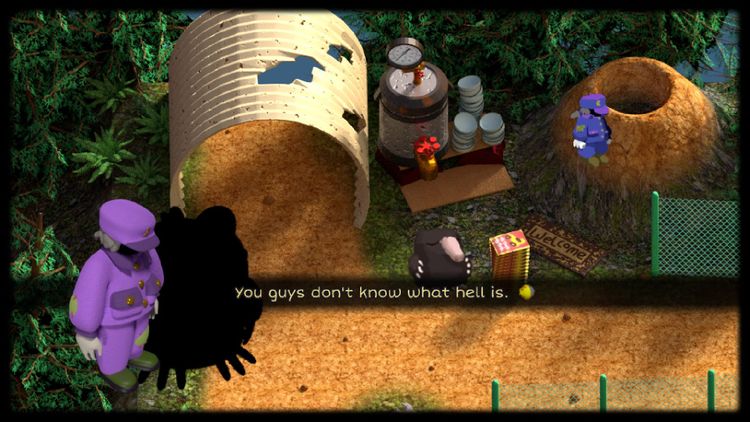
Everyone in 24 Killers is forced to co-habitate due to the vast ocean that surrounds them and the lack of easy escape routes. Despite their flaws and their weirdness, they somehow manage to make a tight-knit community. Your neighbors are called mons, odd little critters that take the form of animals, sometimes two-headed or just-a-head, or plants with eyes, or slime, or rocks, and some even defy easy categorization, such as muscle-man Oyaji. You operate an elevator, from which you rescue the trapped mons below, all alone at the start. After a treadmill gets installed, many mons will join and run beside you, their kinetic energy powering the circular elevator.The relationships Home forms with these creatures are superficially transactional. As you embody Home, you help the mons in exchange for typical videogame progression systems and mechanics. Most of them are impressed by competition rather than reciprocity, such as proving you can do more ‘perfect’ squats or by overcoming some challenge they themselves have imposed. Johnny Puzzles comes to mind, who beckons you to his warren to complete various puzzles, and even some boss battles, before he agrees to assist you with some task or goal.
Home is initially aggressive and a bit of an asshole to the mons. He is self-serving, less interested in helping the mons out of kindness and more out of the desire he will be able to recover his previous form. Certain mons are no different, starting off quite vitriolic towards Home. Over time, however, these relationships become sanctified, achieving a deeper layer connected to the metaphysics of the world. You need these mons to cleanse your soul and acquire the blessings necessary to improve the universe, and to regain your coveted spiritual form.
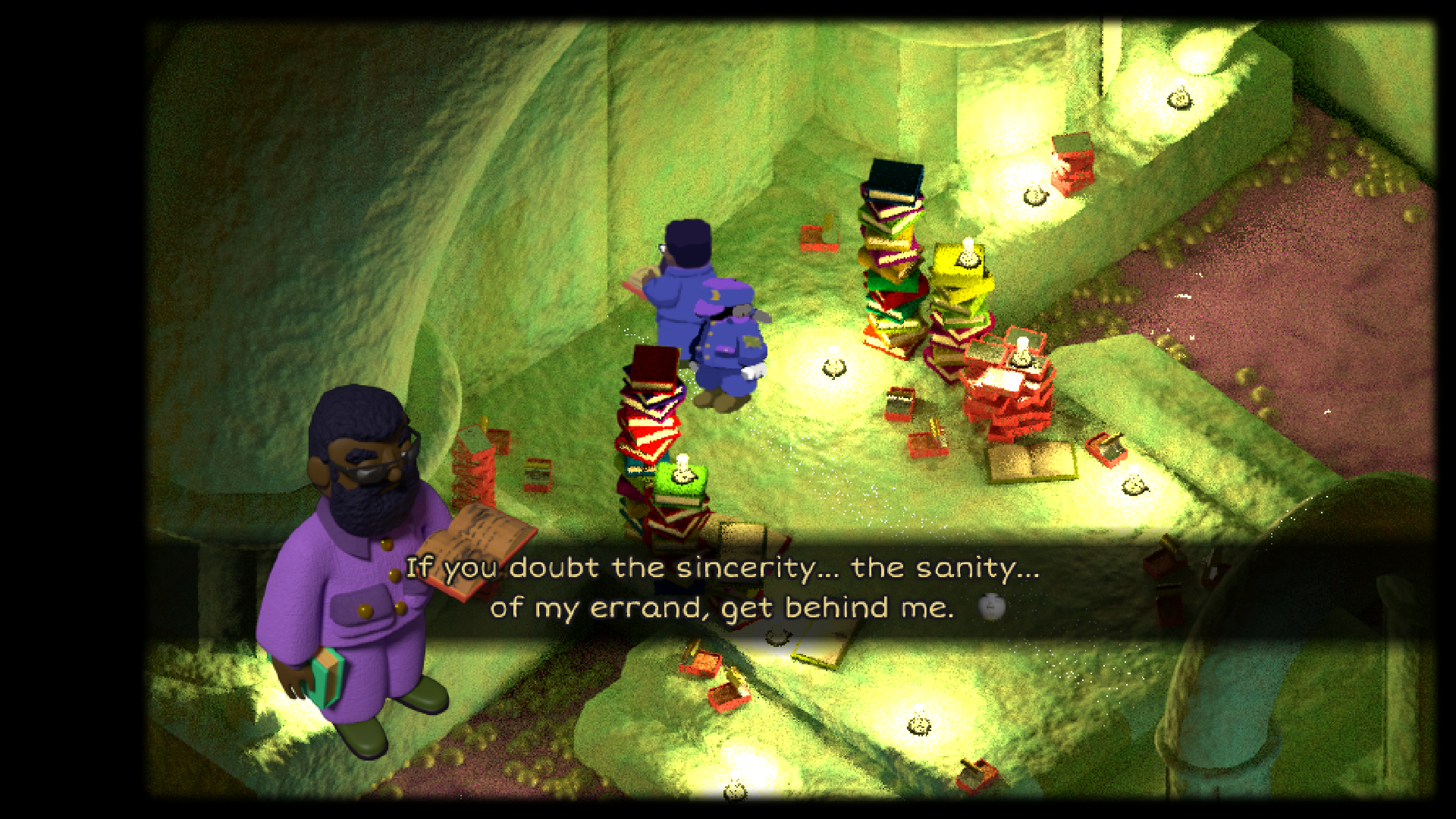
Superficially, this does reinforce the self-serving relationship Home has with other mons, but, as the game progresses, Home and the mons start relying on each other more and more. The body Home possesses is weak. As the echo of a soul, his only method of empowerment is to assist and help the mons, despite his initial distaste for them. Befriending the mons nets you a higher ‘health bar’—which, concurrently, allows you more time for the various activities you will engage with throughout the day—or toast, a literal progression item, yet blessed by the gratitude of your friends. They also unlock the various mechanics you will engage in, allowing Home to lift heavy things, run like a speedster through colored rings, glide across gaps, etc. You transform into the mons you befriend, that is how you activate their abilities. You see Home change, not just into a tender, kinder being, but literally transmute into other creatures.
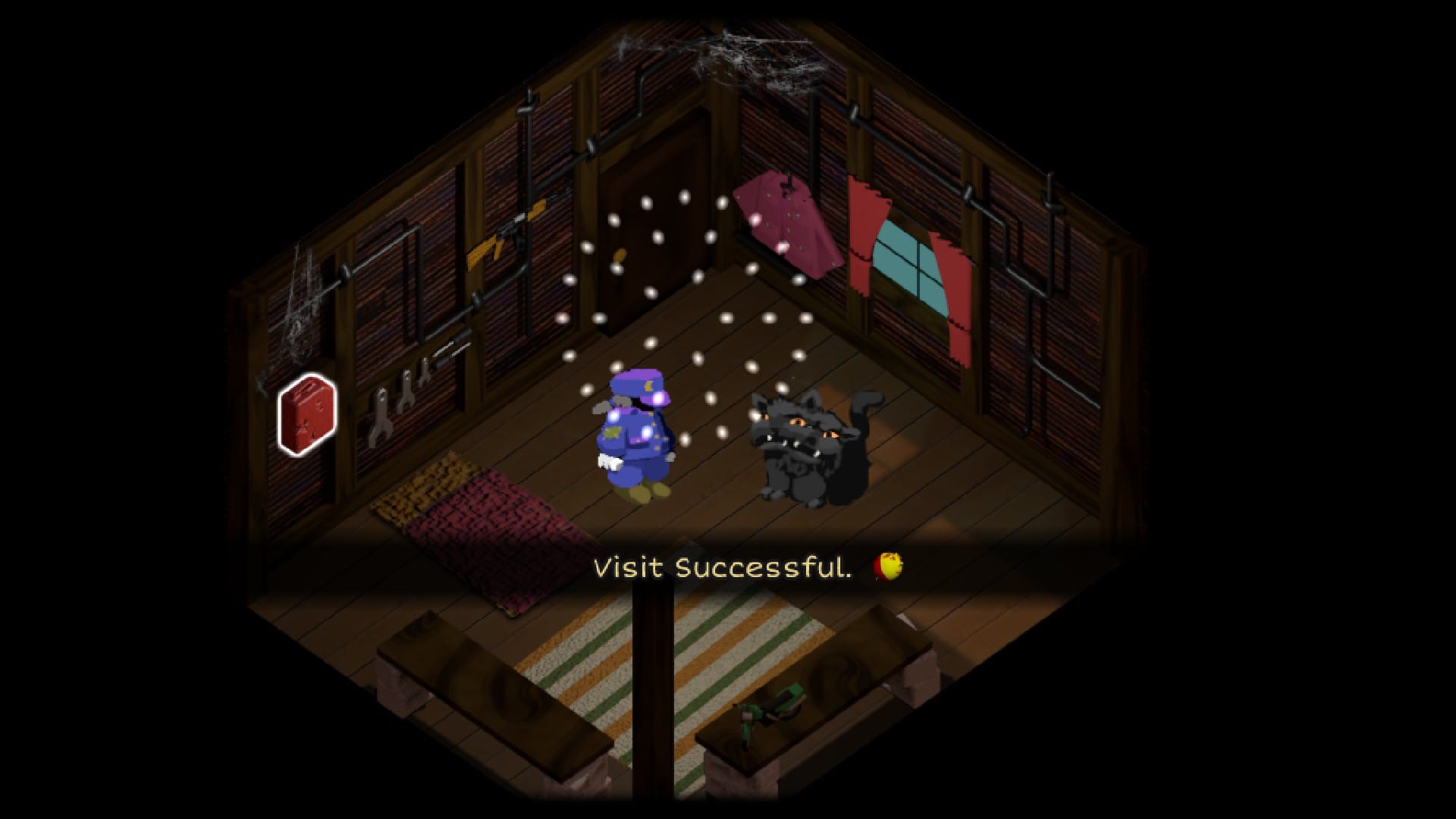
Home is, later on, not merely interested in the strength the mons can offer him, but forms genuine connections and bonds with his friends, inviting them back to his home to check out cool knick-knacks acquired via gacha capsules, or simply vibing hard with them.
24 Killers imparts how much the people in your life, the people around you, the people which make you feel ‘at home’, change your individual identity. We become other people through our relationships: we embody their quirks, their flaws, their mannerisms, their laughs and smiles; we form beloved memories. It also reinforced an adage I try to live by: even if you don’t particularly like certain people, if they are your neighbors. If they are members of your community, you should assist them and, in turn, you should be able to rely on them.
American exceptionalism and individualism have taught generations, even young people living outside the United States, the value of self-reliance. 24 Killers washes this away, forces you to enter into a community with weirdos and freaks and meanies, and forces you to befriend them for your own good—to learn to be a better person. Moon explicitly states the importance of forming community with the ‘mons’, rather than give in to selfishness and the loneliness that results from it:“Isolation is what causes Echoes to become cursed. Turning inward, wicked vows are made against invisible foes. Misplaced rage and loneliness build. Until they finally swallow you”
The game has a unique new game plus system. When you pick your save file, it informs you that, upon completion of the game, you acquire a permanent perk that affects future replays. They can make actions take less time, make it so consumables have infinite uses, make Mole, who carries Home back to his bed should he faint when all his HP is gone, even stronger. When you’re done with one world and move on to the next, you carry the memory of the people you’ve met, symbolically and mechanically.
A home is not a house, home is not the cabin in which the protagonist rests on his futon each night—it’s the bonds he’s made with the mons, connected even through the aether and other worlds.